
A Beginner’s Guide to Licensing: Understanding Royalty-Free, Creative Commons & Commercial Use in Stock Media
Let’s be real — most of us have, at some point, grabbed an image from Google, slapped it into a presentation or blog post, and thought, “Eh, it’s just one picture. No one will notice.” I’ve been there. Pretty much everyone who’s ever built something online has been there.
Then you learn (maybe the hard way) that those “free” pictures aren’t always free to use — especially if you’re doing something even remotely commercial. That’s when words like “royalty-free” and “Creative Commons” suddenly start popping up, and it all sounds more confusing than it really is.
I promise it’s not that bad once you get the basics. Here’s what I’ve learned from a few years of trial, error, and a couple of copyright scares.
First Off: Why Licensing Even Matters
Think of licensing as the rules of the road for creative stuff — free images, videos, music, templates, whatever. Someone made that thing, and the license tells you what you can and can’t do with it.
When you ignore it, that’s when you run into issues. I’ve heard stories of people getting legal notices for using a photo they thought was free. Not fun.
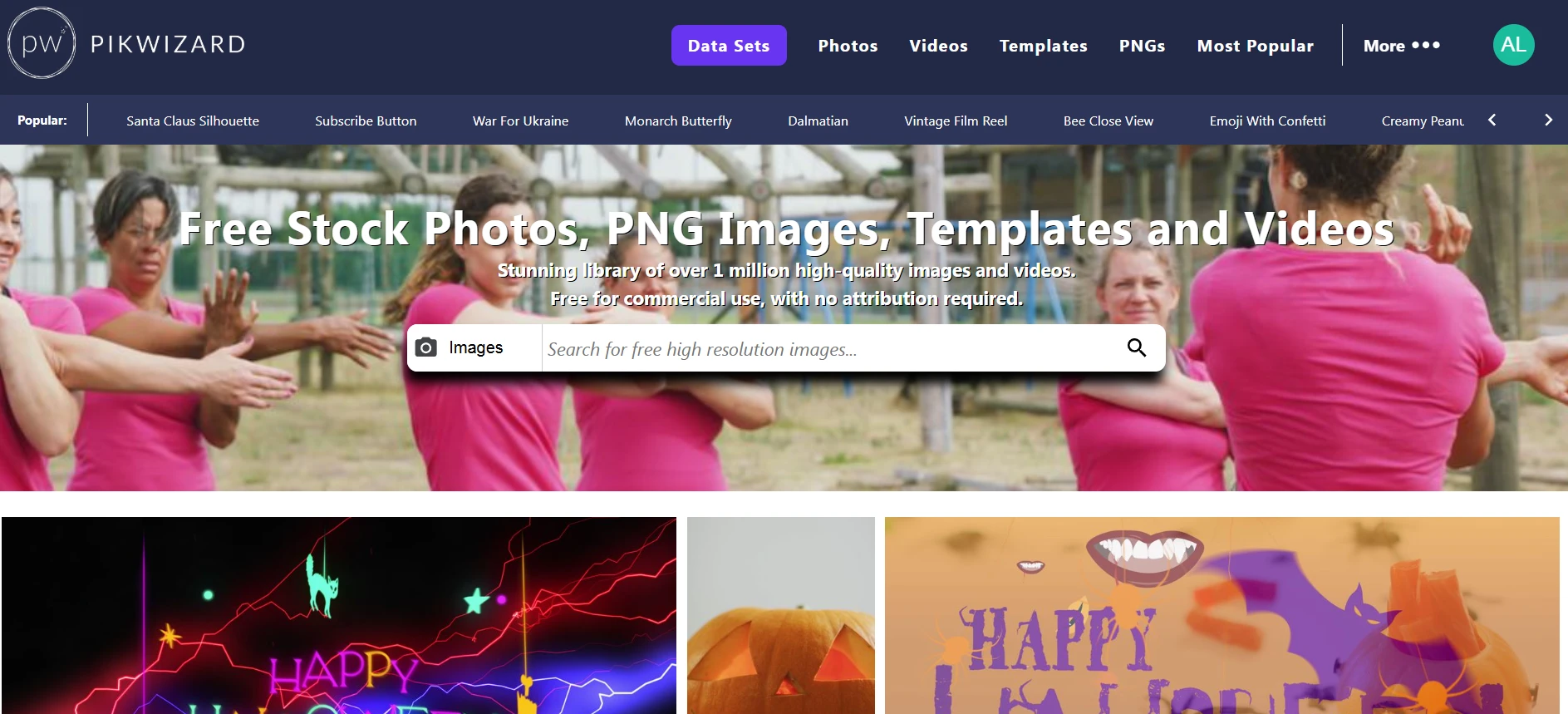
That’s why I use sites like Pikwizard now to download free images and videos — they make it clear what’s okay to use commercially and what isn’t. No fine print, no guessing.
“Royalty-Free” — It’s Not What You Think
The term royalty-free is kind of misleading. It doesn’t mean “completely free.” It just means you don’t have to pay each time you use it. Usually, you either pay once (or nothing at all), and you’re good to go.
Say you download an image from Pikwizard. You can use it on your website, in a social post, maybe even in a brochure — all without paying again or worrying about licenses expiring.
It’s simple, and that’s exactly why so many creators stick to royalty-free media.
Creative Commons: Free, But With Strings Attached
Now, Creative Commons (CC) is another world entirely. It’s great because it allows creators to share their work for free, but the catch is that every CC license has its own set of rules.
Here’s the short version:
- CC0: Public domain — do whatever you want, no credit needed.
- CC BY: You can use it, even commercially, but you have to credit the creator.
- CC BY-NC: Non-commercial only. Don’t use it for anything business-related.
- CC BY-SA: You can remix or tweak it, but you have to credit and share under the same terms.
So yeah, “Creative Commons” isn’t just one thing. Always double-check which version you’re dealing with before you use the image in a business setting.
Commercial Use — This Is the Big One
If your work has anything to do with making money — even indirectly — it’s considered commercial use.
That includes ads, websites, YouTube thumbnails, or even a client presentation.
That’s where most people get caught off guard. Just because an image is “free” doesn’t mean you can legally use it to promote something.
Again, this is where Pikwizard comes in handy. All their media is cleared for both personal and commercial use, so you don’t have to read through a wall of legal text to figure it out.
Should You Credit the Creator?
Even if you don’t have to, giving credit is good practice. It shows respect, builds trust, and honestly, it just looks professional.
A quick line like:
“Image via Pikwizard”
does the job.
It’s not hard, and it helps the creative community.
A Few Lessons I’ve Picked Up Along the Way
- Keep proof of where you got the image. Screenshot the page or save the link.
- Avoid random Google Images. Just don’t.
- Don’t assume “free” means “safe.” Check the license before using anything in a campaign or ad.
Licensing isn’t glamorous, but it’s one of those things that can save you a lot of trouble down the road. Once you get the hang of it, it becomes second nature.
If you’re not sure where to start, just stick with platforms like Pikwizard — they’ve already done the hard part for you. You get professional, royalty-free images and videos that are safe to use commercially, without worrying about hidden restrictions.
Basically: stay smart, read the fine print, and when in doubt, go with sources that make life easier. That’s how you keep your creative work looking great and stay out of copyright trouble.